Sports Commodification In Boston Part 3: At The Push Of A Button - How Streaming Services Affect Boston Sports Fans
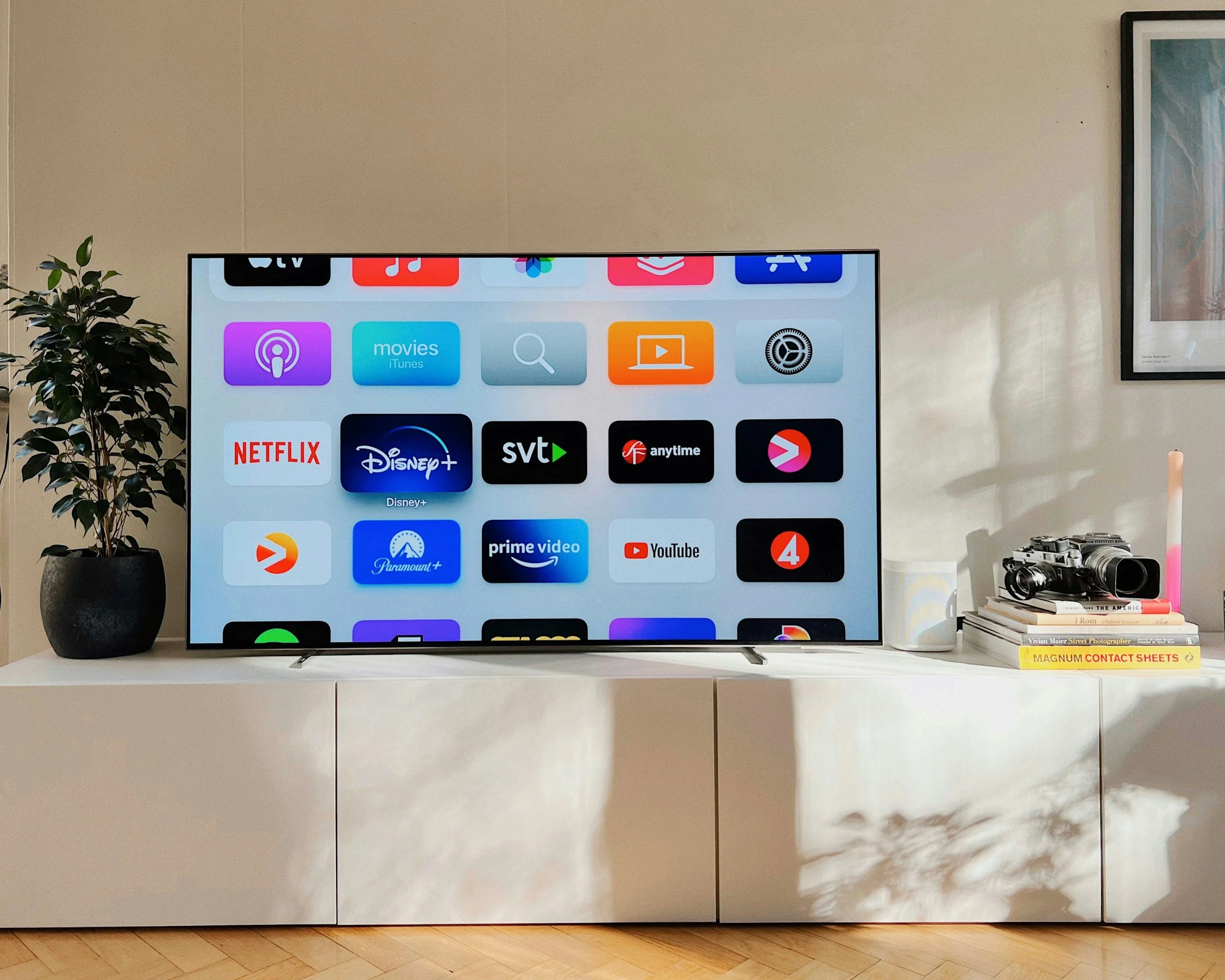
A television displaying a homepage with a variety of streaming service apps, including four used to watch live sports - courtesy of Squarespace
Streaming services have taken over the television industry, and now, live sports are following suit.
The National Football League made history on January 13, 2024, when Peacock was the exclusive home of an AFC Wild Card matchup between the Kansas City Chiefs and Miami Dolphins. Since then, more and more games across all four major U.S. sports leagues are exclusively on streaming services.
Boston, home to one of the most passionate and dedicated sports fanbases, has felt this as well.
In the past year, the Patriots meeting against the New York Jets in November was on Amazon Prime, the Celtics only streamed games on Prime, NHL Network exclusively hosted Bruins games, and the Red Sox had a game against the Atlanta Braves in May only available on Apple TV+.
“There are too many out now, and it seems that the leagues have gone to different ones,” said Beth Crouch, an Air Force colonel previously stationed on Cape Cod. “However, the streaming services seem to have gone up [in price], and that has limited the amount of streaming services that I am able to purchase now.”
Dr. Lauren Anderson, a sports communication professor at Emerson College, spends a lot of time in her classes going over media rights deals. She hosted a guest speaker from Amazon in one of her classes, who said their Thursday Night Football broadcasts make more than 10 times the cost of the broadcast rights. She used this example to explain why sports leagues and media companies are entering into these complicated contracts.
“They know they’re gonna make big money off of it,” Dr. Anderson said. “They know that people are gonna buy it, and it’s beneficial for [the NFL] and the media company. It’s guaranteed money for the league; they don’t have to think about it for another 11 years.”
Under the current media rights contracts for all four major sports leagues (MLB, NFL, NBA, NHL), someone needs the streaming services Amazon Prime, Paramount +, ESPN Unlimited, FOX One, Peacock, Netflix, and HBO Max to watch most games. In Boston, a fan also needs access to the regional sports network, NESN, via NESN 360.
These eight streaming platforms cost a little over 156 dollars per month. But people are still willing to pay the hefty price for their sports.
“I do have most of the streaming services because a lot of my friends still work in the [sports media] business, and I do like to watch,” said Tom Odjakjian, retired from ESPN and The Big East Conference. “The streaming services are still cheaper than buying tickets to the game. Will the prices keep going up? Sure, they will. You know, you got to make some choices.”
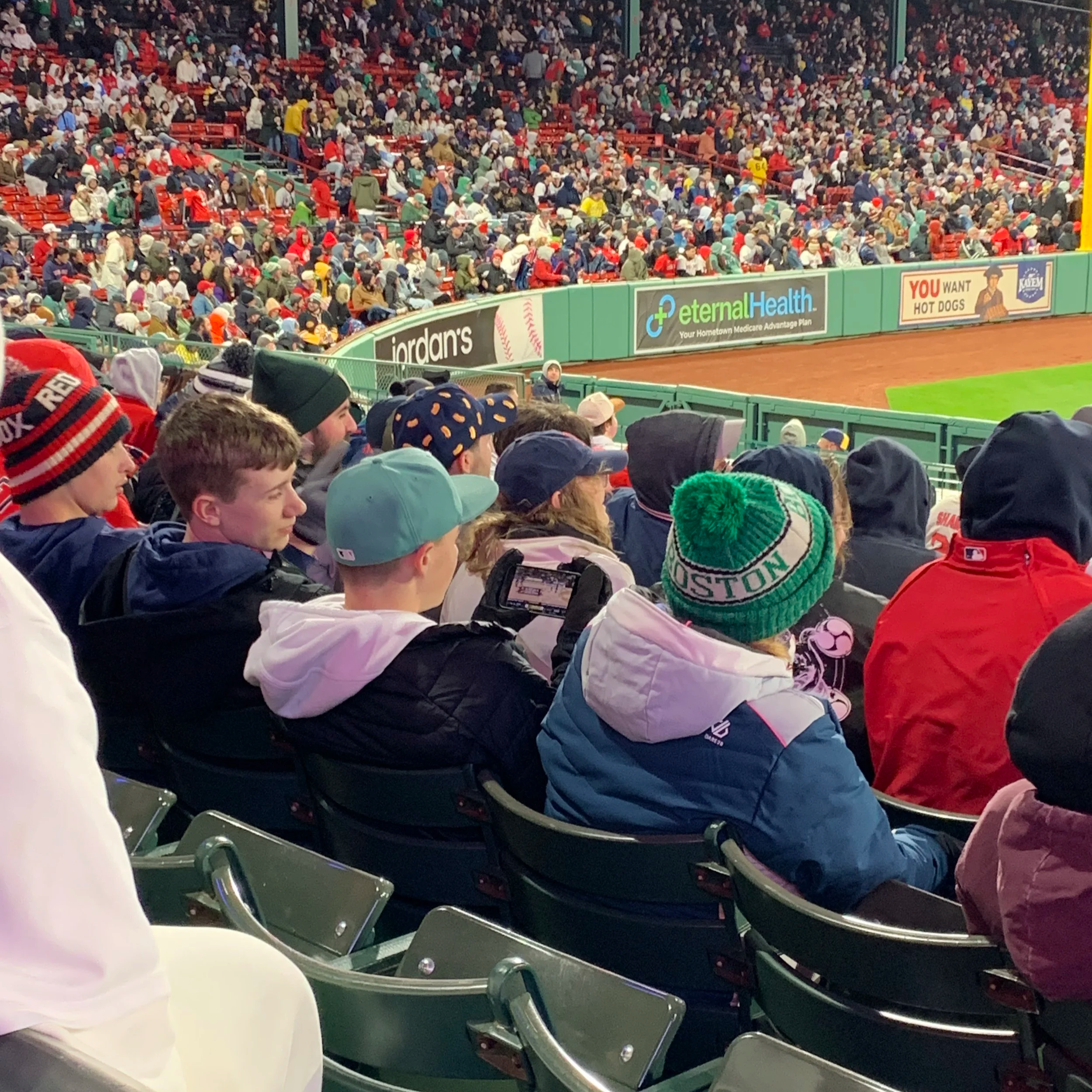
A young fan watches the NCAA Men’s March Madness Championship Game on their phone while attending a Red Sox game at Fenway Park on April 6, 2026 - Photo by Alex Lott

Odjakjian (right) with ESPN Broadcaster Dick Vitale (center) and ESPN Vice President of Communications Mike Soltys (left) at Vitale’s induction into the Naismith Basketball Hall of Fame in 2008 - courtesy of Tom Odjakjian
While some people are okay with the cost, most agree that there are too many streaming services out there. Crouch suggested limiting the number of streaming apps to two, allowing subscribers to either pick one or afford both options.
“I’m finding that people, from my parents to my students, are getting increasingly frustrated at how many streaming and subscription services they need to have in order to watch their games,” said Dr. Anderson.
Dr. Anderson uses YouTube TV, a streaming television service, to watch sports games. She was personally affected by the recent Disney versus YouTube TV blackout, which led to the removal of ESPN.
“With the whole Disney debacle, I canceled YouTube TV. Then, when they brought ESPN and ABC back, I re-signed up,” Dr. Anderson recalled. “I think you’ll see a lot of shifts in the way that people consume media; ‘Oh, I’ll sign up for a subscription for this during this season, and then I’ll cancel and I’ll move to this for this season, because it’s just not affordable to have them all 24/7.’”
Linda Lynch, a retired local journalist, is another YouTube TV subscriber who only buys it during a sports season.
“I love the Patriots, and I’ve decided that…after the Patriots’ season is over, I’m going to cancel YouTube TV because that’s getting too expensive,” Lynch said. “You can watch everything else on YouTube if you want news or this and that.”
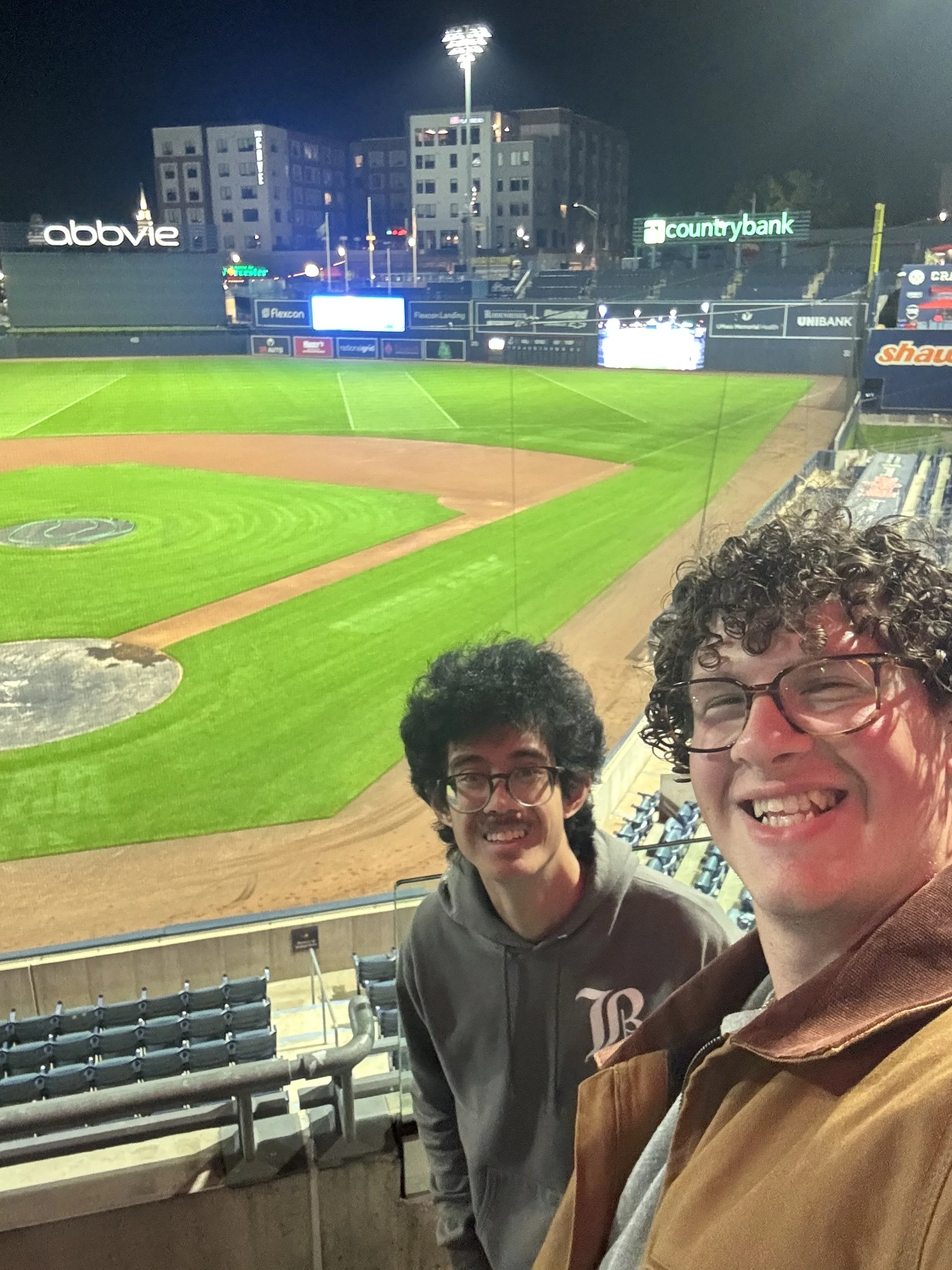
Daniel O’Toole (right) and a friend (left) at Polar Park, home of the Triple-A Worchester Red Sox. WooSox games are only accessible by NESN’s streaming platform, NESN360 - courtesy of Daniel O’Toole
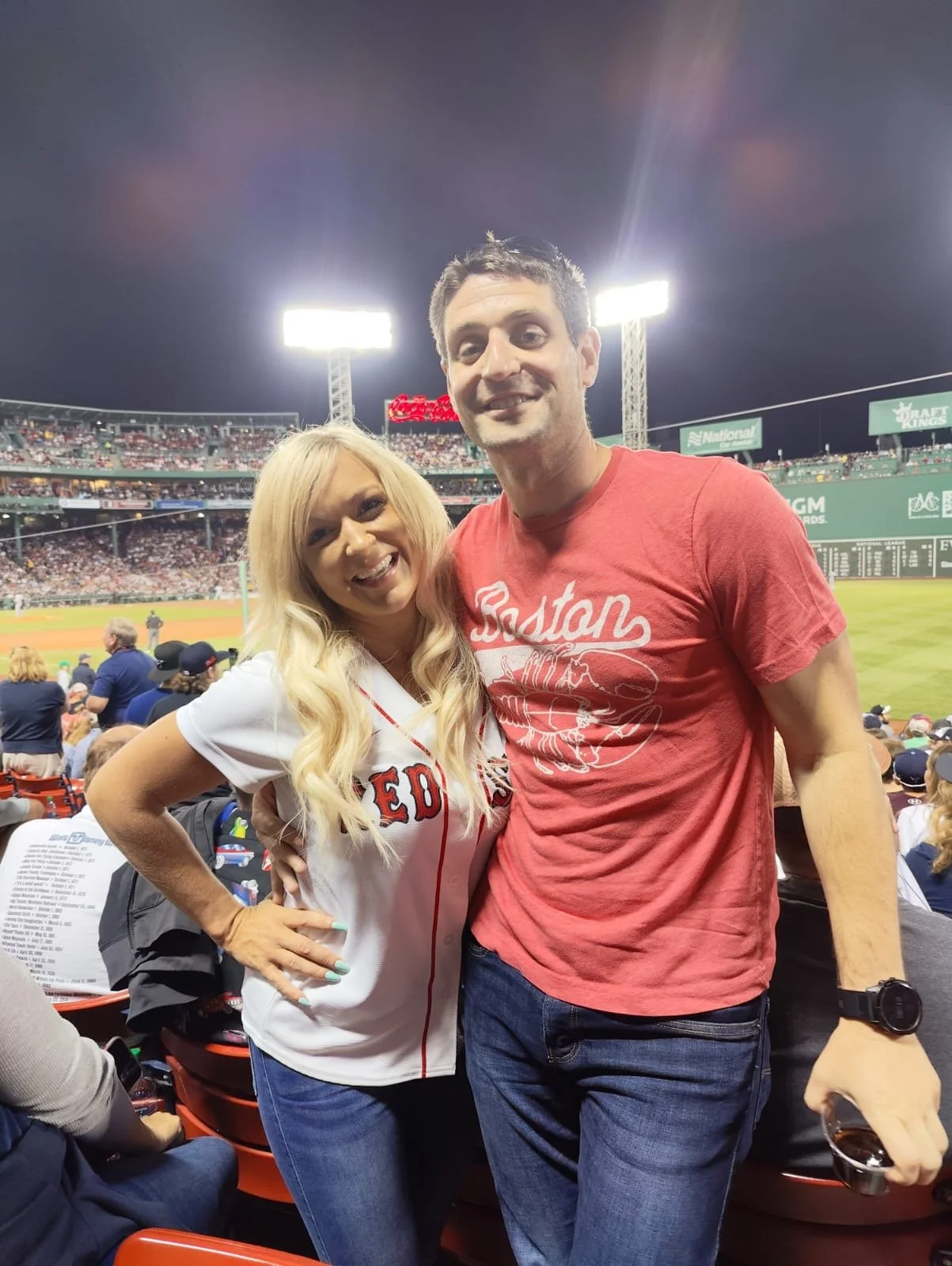
Dr. Lauren Anderson (left) and her husband (right) at a Red Sox game in 2025 - courtesy of Dr. Lauren Anderson
YouTube TV, a common replacement for the more expensive cable television, costs 82.99 a month. It includes necessary sports channels like CBS, ABC, ESPN, FOX, NBC, TNT, and TBS.
Looking at Xfinity and FIOS TV internet and cable television prices in Boston, they range anywhere from 130 to over 200 dollars a month. This is to access the necessary sports channels to watch local and national games, but viewers might miss out on streaming exclusive games.
Daniel O’Toole is one of the people who hasn’t cut the cord yet but is worried about the trend toward games being available only on streaming.
“I remember a couple of years ago, there was a really big problem when the NHL signed their deal with ESPN because there’s ESPN specific games,” O’Toole said. “I remember hearing my dad and all the people on Boston sports radio just going like, ‘You know, why do I gotta sign into all these different things?’”
O’Toole also pointed out that older generations of Boston sports fans might have difficulty watching streaming-exclusive games.
“All [old people] want to do is turn on my TV [and] do some channel surfing,” O’Toole explained. “Getting people to switch to streaming, especially in older markets, it’s gonna be rough. I don’t think it’ll be a problem we ever see fixed.”
Boyd Nesta, an Emerson College student, has a sports-watching conundrum with regional blackouts. As an out-of-market sports fan, Nesta listed five services that he and his family have off the top of his memory.
“Because at home I’m out of [the] market for my team, it is really hard to get the game,” Nesta said. “I have to have all these crazy subscriptions to be able to get anything. I think that is definitely a barrier as well because I want to be able to watch it at home, like I can’t go to every game.”
Out-of-market television packages are also expensive. It’s 149.99 per season for MLB TV, 192 a season for NFL Sunday Ticket on top of YouTube TV (82.99 a month), 109.99 for NBA League Pass, and NHL Center Ice is a part of ESPN +, now ESPN Unlimited (29.99 a month).
However, Nesta and other out-of-market sports fans aren’t the only ones affected by blackouts.
“Playoff baseball was so challenging for me this year because I have MLB TV, and then the playoffs were blacked out on MLB TV because they wanted you to tune into your local stations,” said Dr. Anderson. “Well, I didn’t have local stations; I have streaming services, but it wasn’t on ESPN +, it was on cable television.”
“[MLB will] have games that are only on Roku or if you have MLB TV, you can’t watch the local games,” O’Toole stated. “If I’m a Red Sox fan, if I don’t have cable, I can’t use MLB TV because there’s local blackouts, so now I have to get a NESN 360.”
Dr. Anderson mentioned the media landscape could drastically change in the future, whether it be large media conglomerates buying each other or cable television ceasing to exist. But when asked whether prices would become inaccessible to fans, she said it probably would not.
“They still need fans, they still need people to tune in, they still need people to buy their productions, they still need people to buy tickets to games,” explained Dr. Anderson. “I think that in order to access sports, it’s going to get pricier and pricier, and I think it’s going to piss off fans, but I don’t see it hindering them from buying.”
